

Silk - Silk - Viscose
- Silk is a soft, shiny, thin fabric. And silk can be woven from many different materials. These include natural materials such as silk, viscose or synthetic fibers such as Polyester. And the oldest and most popular silk fabric is silk woven from silk fibers. Real silk is not only soft, shiny and beautiful. But the silk material makes silk feel cool, airy and absorbent.

- Silk is a natural fiber, specifically spun by silkworms. Since ancient times, people have known how to use this fiber to make fabrics, including silk. And from pure silk, people can make many types of silk fibers and weave many types of silk products.

-
Viscose (visco): Viscose fabric is a semi-synthetic silk fabric made from cellulose fibers from trees such as bamboo, sugarcane, soybeans... which is a synthetic fiber. Viscose fiber has a similar structure to cotton fabric, is soft and airy, so it is widely used in many different fields.
- Origin: Viscose fabric first appeared in Europe around the 1800s. Because the price of silk was very expensive, manufacturers had to create a new fabric with similar properties to reach more consumers. Later, French scientist Hilaire De Chardonnet invented the first viscose fiber, which was quite similar to silk in terms of smoothness and elasticity. By 1892, viscose fabric was granted a patent for the production process by three British scientists, Charles Frederick Cross, Edward John Bevan and Clayton Beadle. In 1905, viscose fabric was officially put into widespread use on the market.

- Advantage:
- Low cost: As a semi-synthetic fabric with natural properties not inferior to silk fabrics on the market, viscose fabric has a much lower cost.
- Breathable: Viscose fabric has effective breathability thanks to its dense texture and moderate thinness. They do not retain heat, have good absorbency, so they minimize mold and bacteria, always giving the wearer a comfortable feeling.
- Soft: Viscose fabric has an impressive shine and softness, giving the user a comfortable feeling like being pampered. Moreover, viscose fabric is considered a great alternative to silk fabric.
- High acid resistance: Viscose fabric has high acid resistance, keeps its shape and form well, so users can wash it in a washing machine to save time.
- Color fastness: Viscose fabric is synthesized from many different materials, so it achieves optimal color fastness and is easy to dye during the production process.
- Biodegradable: Viscose fabric is made from wood pulp as the main material, so viscose products are biodegradable. In addition, the recyclability of viscose fabric is also higher than that of synthetic fabrics such as polyester or nylon.
- Disadvantages of viscose fabric:
- Chemicals: In the production process of viscose fabric, many chemicals with high concentrations such as sulfur, sulfuric acid, carbon, disulfide... must be used, causing water and air pollution.
- Flammable: Viscose fabric is highly flammable because it is made from natural wood pulp. In addition, the fabric's abrasion resistance is also poor.
Viscose Silk
Viscose silk is a fabric created from a combination of natural silk and viscose – a synthetic fiber derived from cellulose (usually extracted from wood pulp or plant fibers). This is a fusion of tradition and modernity, bringing the superior properties of both materials.

Softness and smoothness: The combination of silk and viscose creates a smooth, airy fabric surface that feels pleasant to the touch.
Breathable and absorbent: Viscose silk has good sweat absorption, helping the wearer always feel cool, especially suitable for tropical climates.
Natural sheen: The fabric has a light, luxurious sheen similar to traditional silk, giving it an elegant and attractive look.
-
Easier to maintain than traditional silk: Thanks to the viscose component, viscose silk wrinkles less, is more durable and easier to wash, suitable for modern lifestyles.
Applications of viscose silk:
Fashion: Often used to sew ao dai, skirts, shirts, scarves and high-end fashion products.
Furniture: Making curtains, bedding, bringing delicate beauty to living space.
Art: Used in handicraft products such as embroidery, decorative silk fabrics.

Ao dai with Northwest brocade using 2-layer Viscose silk fabric combined with pants of the same material brings a modern breath in the nostalgia of traditional values from the sustainable fashion brand Hity
Why is viscose silk popular?
-
Eco-friendly: Viscose fiber is made from natural cellulose, biodegradable, in line with sustainable fashion trends.
Affordable: Compared to pure silk, viscose silk is more affordable while still maintaining its elegance and sophistication.
-
Combination of tradition and modernity: With the combination of traditional silk and viscose production technology, the fabric is not only beautiful but also meets the requirements of convenience and sustainability.
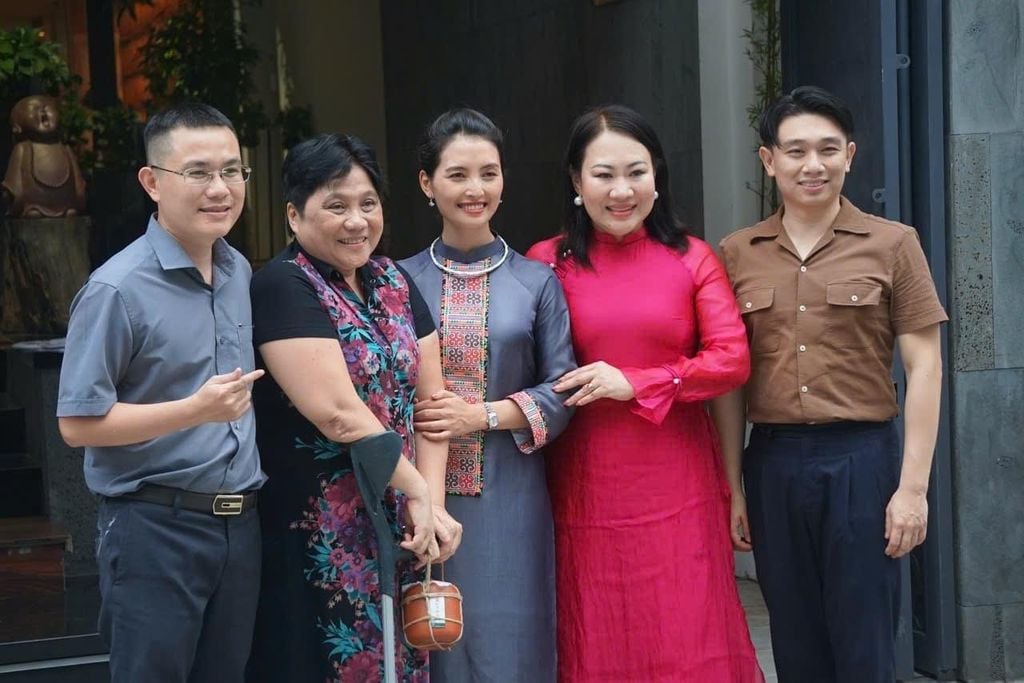
Ao dai with Northwest brocade using 2-layer Viscose silk fabric combined with pants of the same material brings a modern breath in the nostalgia of traditional values from the sustainable fashion brand Hity
Preservation of viscose silk:
-
Hand wash in cold water and mild detergent to protect fabric.
Do not wring hard, dry in a cool place, avoid direct sunlight.
Iron at low temperature to maintain fabric shine and smoothness.
Viscose silk is not only the perfect choice for those who love elegant beauty but also suitable for those who care about sustainable fashion and an environmentally friendly lifestyle.

Ao dai with Northwest brocade using 2-layer Viscose silk fabric combined with pants of the same material brings a modern breath in the nostalgia of traditional values from the sustainable fashion brand Hity
Viscose silk 2 skin
Viscose silk is woven and dyed using a special technique, the two sides of the fabric have two different colors, suitable for sewing ao dai, designing dresses, pants, and shirts with slits on the hems to flutter two colors when moving.
Composition: 70% silk, 30% Viscose, shiny fabric surface, smooth, high durability.
Fabric width: 90cm


Ao dai with Northwest brocade using 2-layer Viscose silk fabric combined with pants of the same material brings a modern breath in the nostalgia of traditional values from the sustainable fashion brand Hity
Viscose Silk
Composition: 70% silk, 30% Viscose, shiny fabric surface, smooth, high durability.
Fabric width: 90cm


The sleeveless Ao Dai uses Viscose silk fabric combined with linen pants, bringing a modern feel while remembering traditional values from the sustainable fashion brand Hity.
0 comments