

After all, what we wish is to tell you the story of each embroiderer in our country, with skillful hands and pure souls who have preserved our traditional art for centuries. Together, we will contribute a small part on the journey to continue embroidering the vivid Tu paintings for us, for today, for tomorrow. - Hity
Embroidery art - symbol of royalty
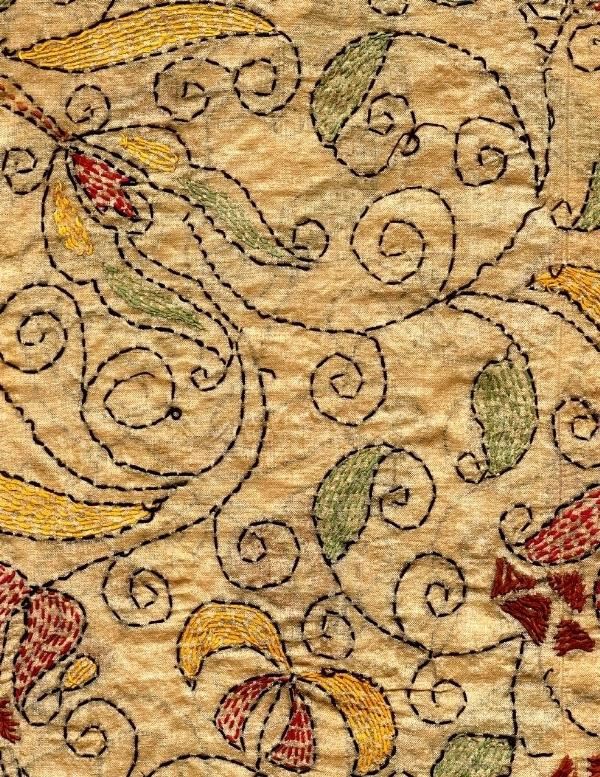
In Europe, embroidery appeared from around the 5th-11th centuries with portraits and paintings about religion and culture... Thanks to trade between continents, by around the 7th century, hand-embroidered products from China were present in Korea, Japan and Western European countries, becoming a luxury item that only the upper class could afford.
Originally, embroidery originated from the ancient people's need for beauty. After having clothes, the ancient people used ink to draw on the clothes, but they realized that if they were washed, the drawings would disappear. Therefore, to preserve the patterns longer, the ancient people came up with a way to use needles to embroider each drawing, they realized that after washing, the drawings could still be preserved.
Around the 1500s, Westerners began to use colored threads, wool and sometimes silver, gold or brass threads... and began basic embroidery to decorate clothing. They embroidered simple natural scenes such as flowers or abstract images simulating activities and daily life. During this period, only royalty, powerful people in tribes or wealthy merchants and upper class were allowed to wear elaborately embroidered clothes. In particular, the aristocracy also wanted to show off their wealth by attaching precious stones to their clothes combined with embroidery art. To affirm the exclusivity of these clothes, some countries also issued laws regulating spending, meaning that only the wealthy were allowed to wear embroidered and stoned clothes. In England in 1574, a law was passed that only the most powerful people could wear gold embroidery or pearls. By the late 1800s, everyone had the freedom to embroider and decorate their clothes.
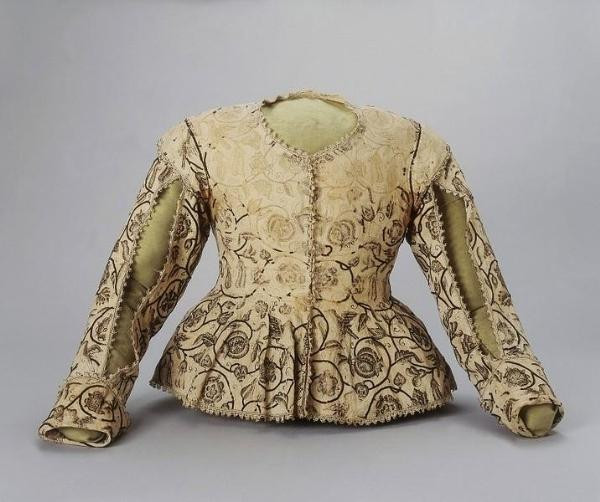
Hand embroidery is a labor-intensive and time-consuming process. Before the invention of the embroidery machine in the 1800s, embroidery was done by people with a lot of free time, such as ladies and nuns. The growing popularity of embroidered clothing created a growing demand for professional embroiderers. Those who could afford it began to learn embroidery and it was considered a very noble profession. By 1900, embroidery was being taught to young girls at home, in convents and in schools as part of the education program.
Colorful and intricate embroidery patterns can be found in the early civilizations of Babylon, Persia, Thailand, Greece, Egypt, Rome and China… In the 1800s, wealthy people were particularly fond of silver thread embroidery, silver on silk combined with pearls. Later, animal and plant embroidery became more popular. In some civilizations, animals, birds and flowers have symbolic meanings, expressing the spirit of the wearer. Embroidery patterns on this theme are also very elaborate, sophisticated and lively through diverse colors and embroidery styles. Persians favored embroidery patterns of flowers, eagles, rivers, winged lions, circles surrounded by roses or stars. Meanwhile, China favored embroidery images of dragons, phoenixes, peacocks, white tigers and black turtles… animals that symbolize power, strength and luck.

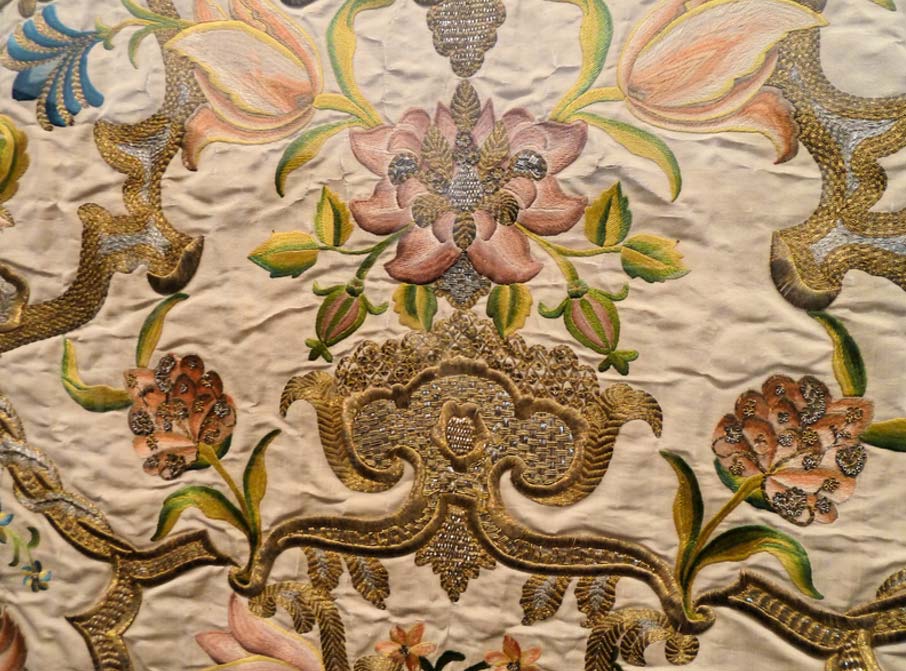
In the early stages of embroidery, only the most powerful and wealthy people were allowed to wear clothes like this.
From basic embroidery stitches, people begin to explore more complex embroidery to create gloss and depth for each pattern. And that is truly a world of creative and attractive colors for those who love embroidery.
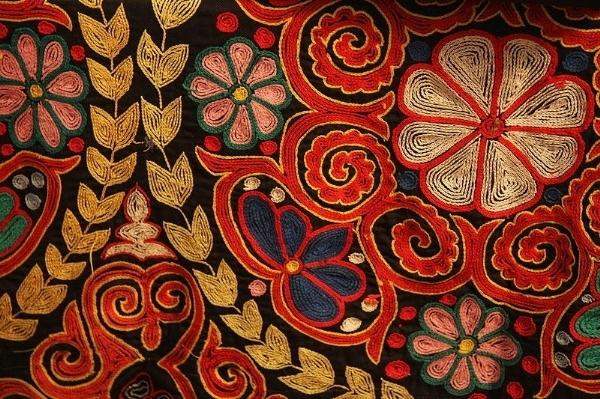

The art of embroidery gradually reached a more complex level with difficult patterns requiring high techniques.
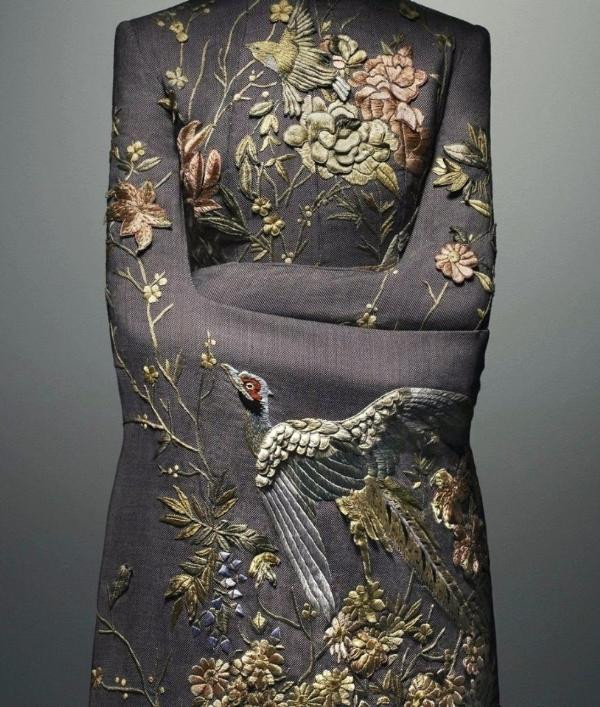
Embroidered brocade chest 1600-1800
Artistic embroidery - the pinnacle of luxury fashion
In the past, embroidery was only for the rich, it was expressed through costumes and decoration for household items such as bed sheets, carpets, curtains... Nowadays, embroidery in fashion design is extremely rich, colorful and reaches absolute sophistication. On all materials from fabric, lace to suede... the embroidery is very smooth, shiny and tight.
Unlike other fashion trends, which have gone through periods of decline, the art of embroidery has gradually developed and reached the pinnacle of sophistication.

In the spring-summer 1937 collection, Elsa Schiaparelli presented a black velvet dress with an embroidered goddess on a lion surrounded by four horses, extremely prominent and powerful.
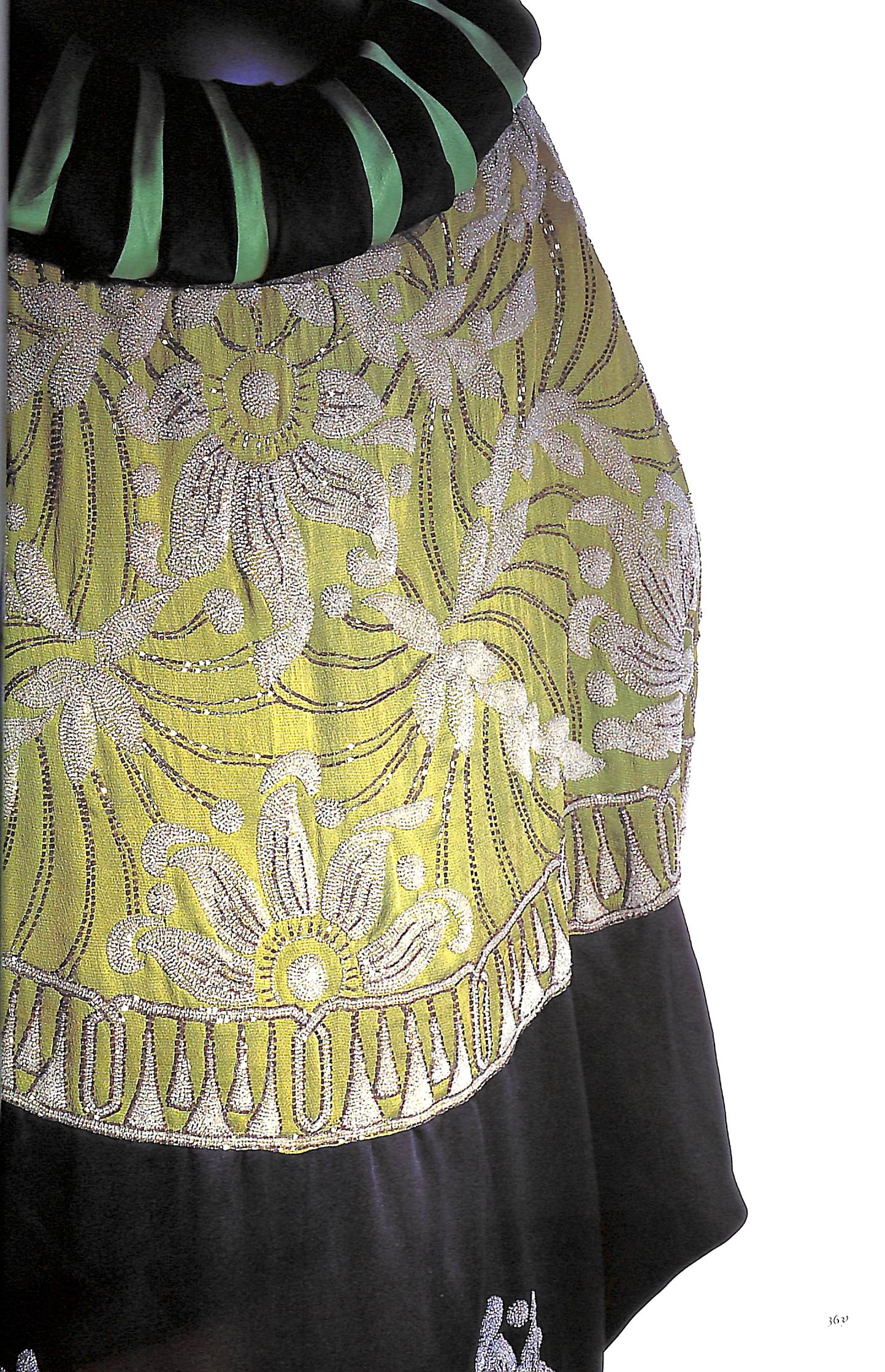
In 2002, Costume Institute Kyoto introduced designs embroidered with gold thread and decorated with sequins and pearls.

Yves St. Laurent made his mark with a green dress embroidered with gold and dark blue flowers combined with pearls and sequins in his spring-summer 1962 collection.
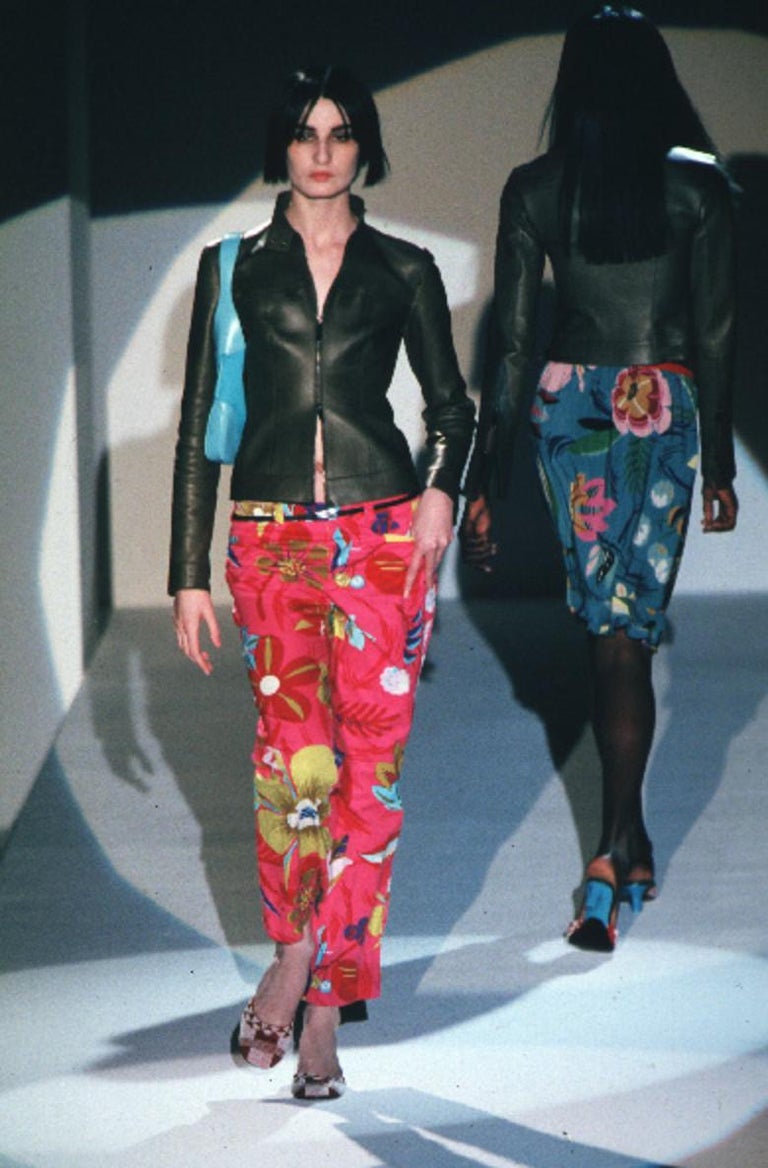
In the spring-summer 1999 collection, Tom Ford and Gucci also impressed fashionistas with youthful jeans dresses embroidered with silk and sequins.
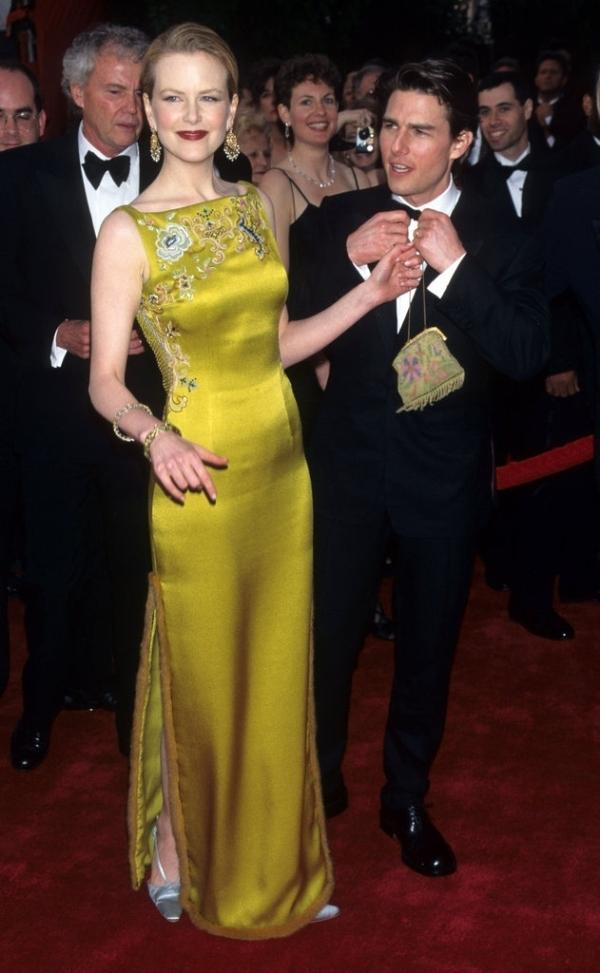
The beautiful blue silk dress embroidered with flowers by Dior couture was worn by Nicole Kidman at the 1997 Oscar Awards.
It can be seen that embroidery is currently the 'key' motif of Valentino, Dolce & Gabbana and Oscar dela Renta. While Valentino shows off its difficult embroidery skills on transparent, delicate materials such as tulle or chiffon, Dolce & Gabbana shows off its embroidery skills on lace and mesh. In addition, Emilio Pucci also impresses with his embroidery techniques on suede.
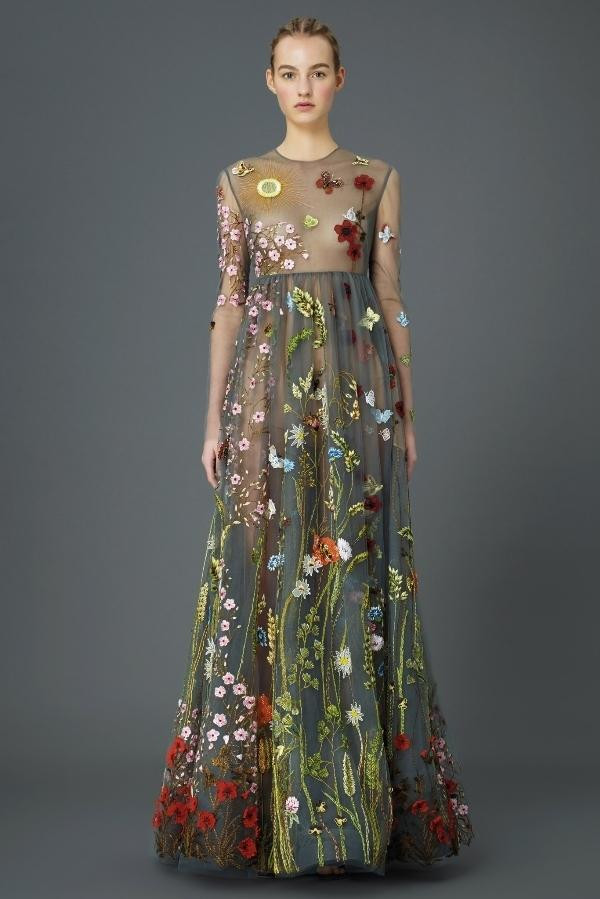
Valentino's embroidery technique on water-thin material has reached a high level.

Valentino demonstrates sophisticated, sharp embroidery techniques on many materials.
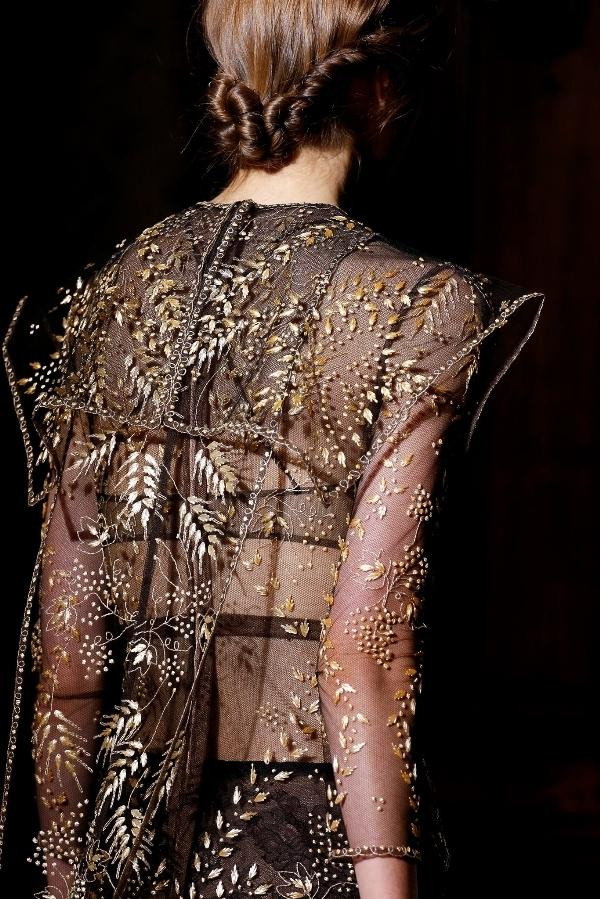
Valentino's luxurious sheer fabric with gold embroidery
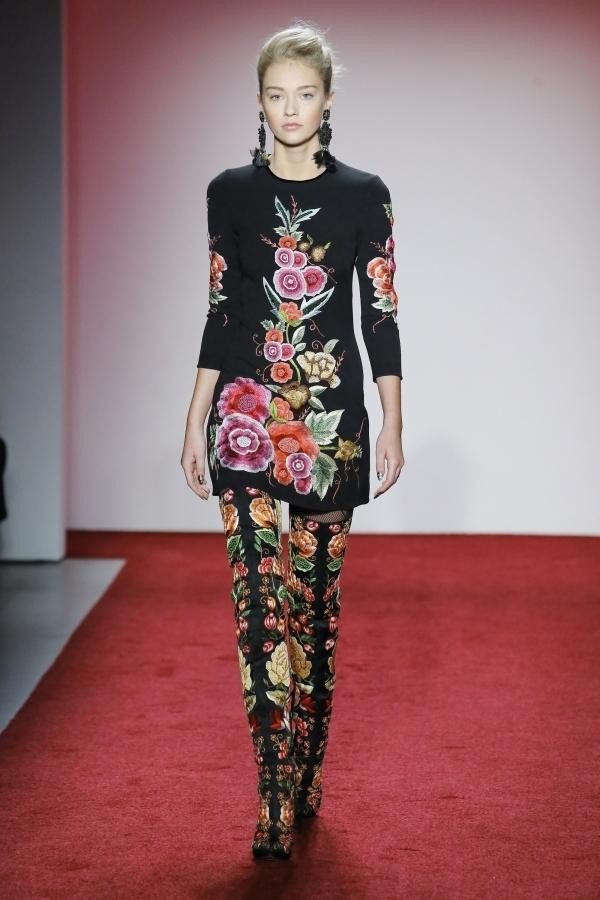
Naeem Khan's beautiful floral embroidery designs fall winter 2017
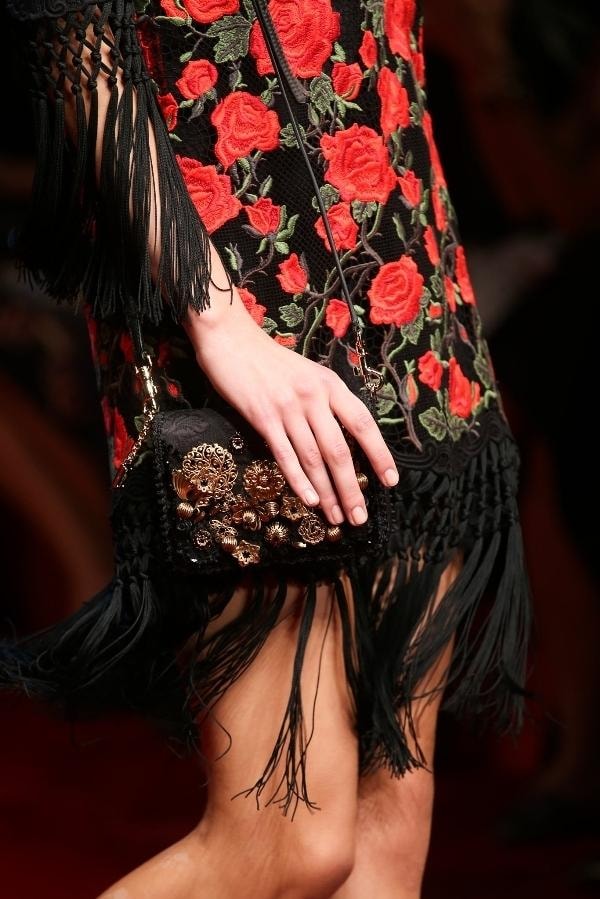

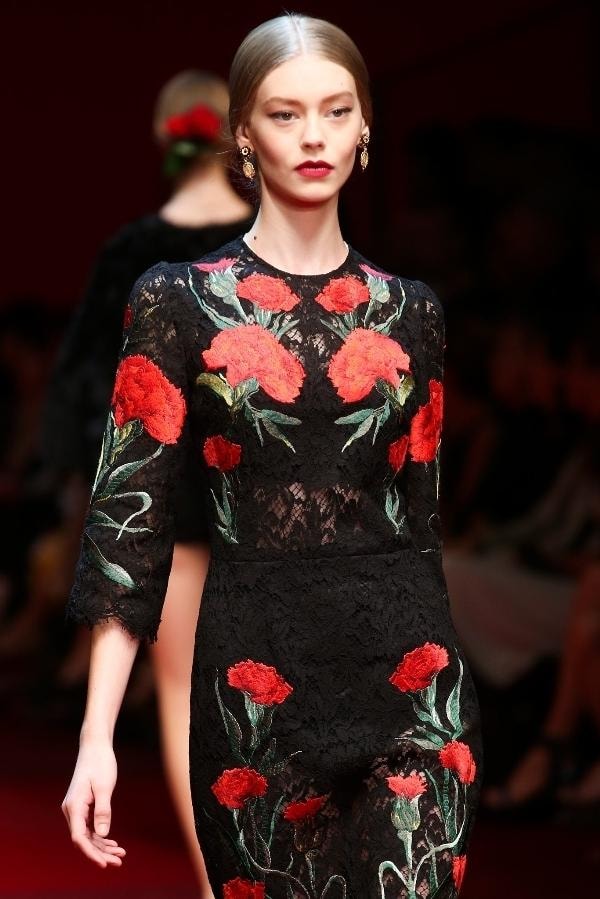
Dolce & Gabbana showcases embroidery techniques on a wide range of materials, especially lace, mesh, silk and brocade.
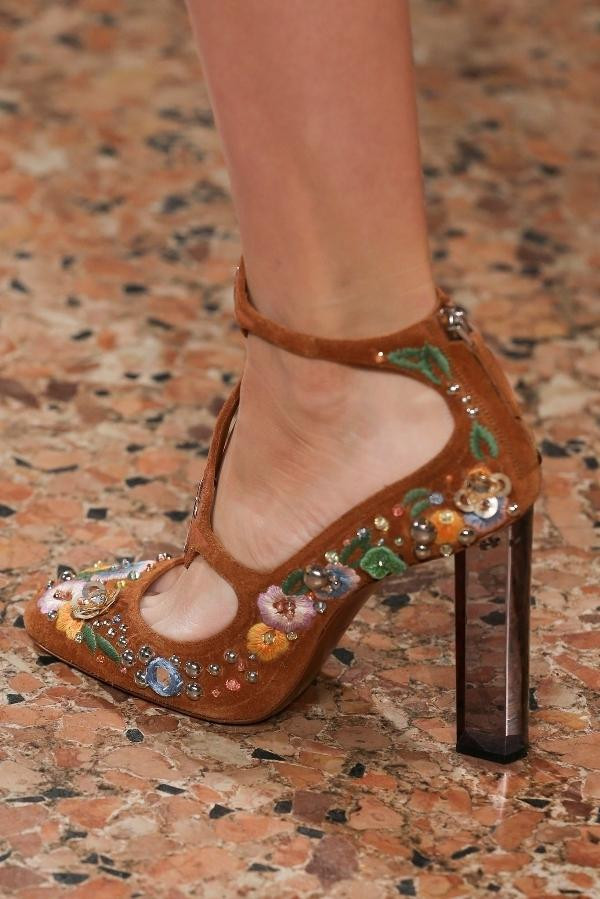
Emilio Pucci embroidery on suede
References
Truong Nam - Shanghai International Studies University
https://baothuathienhue.vn
https://tttt.ninhbinh.gov.vn/du-lich
https://baophutho.vn
https://riba.vn
http://xqvietnam.com
Wikipedia
0 comments