

Wabi Sabi today is no longer a concept limited to the field of interior design, but has formed the Wabi Sabi lifestyle in society in general. As the modern world develops, specific cultural ideas have also gone beyond local borders and gradually become a style, an aesthetic perspective with a profound and widespread influence. The concept of Wabi Sabi in architecture and design has gradually become a favorite school because of the pleasant and peaceful feeling it brings. Wabi Sabi honors the beauty of imperfection in nature.

Wabi Sabi is a combination of two Japanese words. Originally, Wabi meant sadness, a feeling of suffering, while Sabi described deterioration or fading over the years. Although these two words initially evoked a sense of melancholy and negativity, when combined, the concept of Wabi Sabi evokes a warm feeling of a simple and peaceful life in Japanese culture. According to author Kazuo Okakura in the book “Letters in Tea”, Wabi can also be understood as incomplete or imperfect, but has the potential to improve in the future. This evokes in people a feeling of accepting it gently and naturally, with patience waiting for what will come. Wabi celebrates sophistication and rusticity, emphasizing simplicity and naturalness without ostentation. According to philosopher Alan Watts, Wabi also means loneliness and solitude. In the spirit of Zen, Wabi people are people who can find happiness in small things, without anger or greed. "Sabi" means the flower of time, used to refer to the beauty of old things - the concept of the impermanence of life through time. Sabi comes from a Japanese verb "sabu", which describes the process of devaluing or losing its perfection over time. Sabi is often associated with the image of quiet places without human presence. It refers to something similar to the impermanence, stillness and contemplation of humans when witnessing the constant transformation of all things according to the laws of nature.
Wabi Sabi is the art of finding original beauty from natural imperfection, modest and not extravagant, imperfect and accepting the natural process of growth and decay. The philosophy of Wabi Sabi talks about the aesthetics of existing things as “Imperfection, impermanence and incompleteness”, “Imperfection is beauty” because everything in the world is imperfect. That is what creates natural and unique beauty.

Wabi Sabi is a Japanese philosophy, but it has its roots in traditional Chinese Zen Buddhist culture. Some sources say that in the 16th century, the monk Sen No Rikyu became an important contributor to the development of the tea ceremony. While learning the art, Rikyu was asked to tend the monk’s garden before presenting his work. One day, before his performance, Rikyu accidentally knocked down a cherry tree in the garden. The cherry blossoms fell from the tree and decorated the ground. This imperfection and chance created a special landscape, bringing a unique beauty. That is when the concept of Wabi Sabi was born. In the 15th and 16th centuries, Japanese tea masters expressed this practice through wabi-cha, a style of tea ceremony where imperfect Japanese pottery was chosen over the more “perfect” Chinese imports of the day. While the second festival offers special details and ornate designs guaranteed to impress guests, the first festival speaks more to the true nature of the ceremony, specifically the goal of creating a sense of integration with the surrounding nature.
"Wabi Sabi is the beauty of things that are imperfect, impermanent and unfinished" - Leonard Koren - author of Wabi-Sabi

The concept of Wabi Sabi is rooted in simplicity and authenticity. The Japanese philosophy helps to escape the modern obsession with perfectionism, instead embracing imperfection in a more meaningful way. Nothing in life is perfect or eternal, a broken vase also has its own beauty, a wrinkle is also a story of a person's life, so don't try to find perfection because it doesn't exist. A lifestyle that accepts imperfections and flaws in life to make life easier. No matter how bad things are, we can always see the beauty inside it and no matter how perfect things are, inside it there are still fatal flaws. For example, wrinkles at the corners of our eyes, although at first glance they are considered ugly and old, are the result of a time when that person laughed a lot and was very happy. In today's busy life, everyone is looking for something perfect, something wonderful, something we can be proud of every time we think about it. However, this does not exist because behind the glitz there are always tragic and sorrowful processes. For example, if you try to do a good job at the office, everything is great and makes your colleagues admire you, you will have no time for your family and will not understand what family happiness is like. Wabi Sabi style is a philosophy that guides people to accept reality and appreciate the beauty of imperfect things. Time passes, everything can fade and deteriorate, but what is built on it is the beauty that has gone through history, the life of a useful object - contributing beauty, functionality and joy to life. That imperfect beauty is the core of life, fading on the outside but imbued with an incomparable aura inside.

Amidst the hustle and bustle of life, the Wabi Sabi lifestyle is a haven for peace and tranquility. It brings the beauty of serenity and peace to people. It focuses on finding beauty from defects and imperfections. In contrast to modern decoration trends, Wabi Sabi offers a new perspective. It does not aim to use precious and luxurious materials to show power like Western style. Instead, Wabi Sabi aims for simplicity, restraint and appreciation of the natural beauty of all things. It emphasizes that each individual is born with natural beauty and there is no such thing as ugliness. That makes each individual uniquely attractive.
"Forget about the perfection you always dream of, even the most beautiful vase has a crack, a crack that can let light in. The Wabi-Sabi perspective does not force you to accept or live with imperfections, Wabi-Sabi talks about imperfections because they are the truth, they are always there and you should gradually get used to them." - Leonard Koren - author of Wabi-Sabi

1. Understand that nothing in life is perfect
In modern interior design, new, luxurious items are not the spirit of Wabi Sabi. Instead, Wabi Sabi respects simplicity and imperfection. For example, a chair that is not square because it is handmade, a dry tree branch that has sprouted itself, chipped ceramics, a used handbag with peeling paint or unique works of art can be used as decorations to enliven the living space. Wabi Sabi believes that everything in nature has its own beauty. The imbalance in Wabi Sabi design helps people see the unique characteristics and beauty in each item; thereby, having a positive mindset and feeling a more beautiful life.
Choosing the Wabi Sabi lifestyle, the first step is to understand that nothing in life is perfect. Instead of spending time every day finding flaws in things you think are the best, you can accept and find ways to improve your less-than-perfect things every day. Everything is imperfect, that's all.
2. Simplify your life, reduce stress and be happier
The most important thing in this style is simplicity, starting with personal items and in daily life. When decorating the interior, focus on function, practicality and durability, avoid buying too many things and over-decorating. Wabi Sabi does not focus on material value but instead focuses on the sustainability and functionality of items. Do not throw away scratched or broken items, but mend them and let them continue to serve their purpose. You should remove unnecessary items before adding anything to your living space. Owning too many items can make the house overloaded. The process of minimizing items helps you reduce the burden in life, let go of unnecessary worries, focus on the necessary and more important things. It is also learning to moderate each person's needs and emotions to achieve a state of serenity. To achieve tranquility, it is necessary to remove unnecessary things and use minimalist furniture to create an open space and immerse yourself in it.
When you encounter unhappy or unlucky things in life, instead of being sad and depressed, you can still find beauty behind those misfortunes, take time to appreciate and cherish the beauty born from this misfortune. The truth of Wabi-Sabi is to appreciate the beauty of unique things, from a crack in an expensive vase or a job you do that is not going anywhere.

3. Respect yourself and respect what you have
Wrinkles do not make you ugly. Remember that those wrinkles are the result of a long period of happiness and suffering in your life. Those wrinkles are the beauty of smiles, tears over the years that you have kept, not a defect on your body.
Wabi Sabi emphasizes that every individual is born with natural beauty and there is no such thing as ugliness. That makes each individual uniquely attractive.
4. Rustic beauty exudes from natural materials
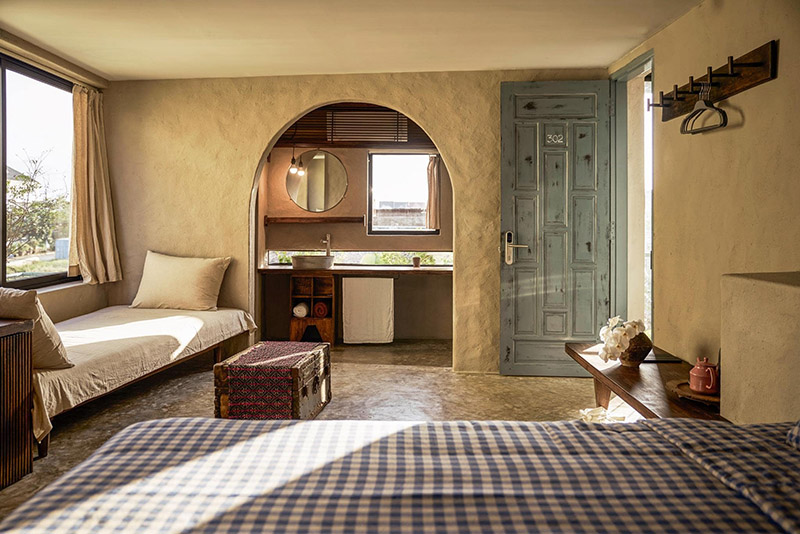
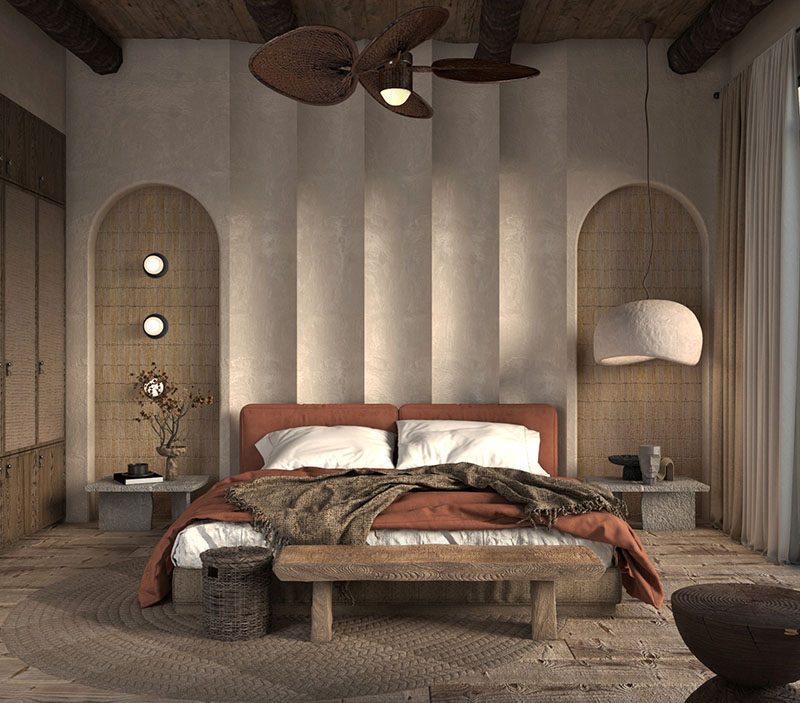
Wabi Sabi emphasizes the change and impermanence of everything. The main materials of Wabi Sabi style mainly come from organic materials. These are raw wood panels, monolithic stones, raw metals, raw textiles, natural fiber brocade, or clay. Because these materials come from nature, they will give you the most natural experiences, bringing the owner a peaceful and happy mood.
Handicrafts are also considered natural materials because they are all emotional decorative items, bringing sincerity to the living space, a teacup from a Japanese artisan, hand-woven wool from mother, rattan and bamboo woven items from grandparents... behind them are stories that bring depth to the soul.

5. Subtlety and Profundity (Yugen):
Yugen is something that cannot be expressed in words or felt by the senses. It is a beauty that lies deep within. Wabi Sabi expresses its subtlety through the use of translucent partitions or curtains to create a bit of mystery, without blocking them from view.
6. Soft colors and light blend into the space
The colors of Wabi Sabi style come from the natural world where everything lives in harmony with each other, bringing peace and tranquility. The tones in this style are of the muted color type, not having much of a bright effect but on the contrary creating a great diffusion and sinking into the space.
Neutral color palettes such as beige, earthy or gray-brown are where we can see the color of Wabi Sabi most clearly. This is its original nature, the color of nature, the color of sand, rotten wood, the color of rough tree bark. Soft light, diffused into the space along with gentle, soft, and calm colors help us reach a state of calm and peace after tiring working hours.
0 comments