
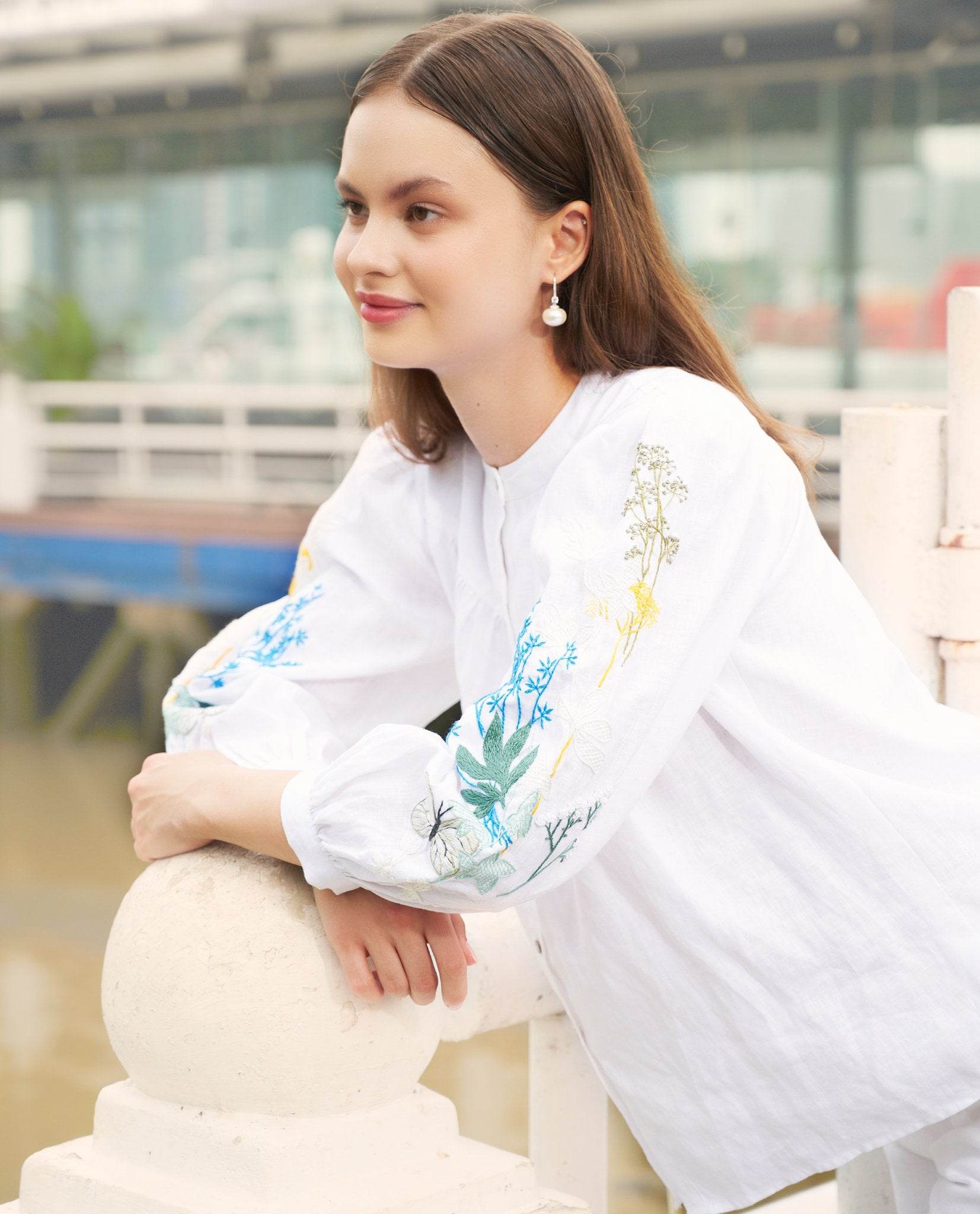
Embroidery is an ancient traditional Chinese art form that has existed since the beginning of the Silk Road, and has a history of more than 2,000 to 3,000 years. The history of this traditional craft is closely linked to the spiritual history of ancient Chinese women, who used embroidery to express their feelings and emotions and to beautify themselves. This skill reached a relatively high level during the Jin and Han dynasties, when embroidery and silk were the main commodities transported on the Silk Road.
Han Dynasty Hand Embroidery (221B.C.-220A.D.)
Embroidery originated from the need to beautify and adorn oneself. During the emperor's time, there were records of patterns and colors. Since the ancients discovered that colors could enhance beauty, they began to paint colors on their bodies and called it "chapter body", then they tattooed themselves; finally, they embroidered on clothes. During the Qin and Han dynasties, embroidery had developed quite a bit. During the pre-Han Dynasty, not only kings and nobles were allowed to wear silk and brocade, but even wealthy families had the right to wear clothes embroidered with five or seven colors, and to cover themselves with brocade and embroidered flowers. Even the mats they sat on, the curtains they lay on, and the burial bags that accompanied the deceased were embroidered with some patterns. Even the common people were like that, let alone the nobles. Their palaces were decorated with silk and seaweed textiles, to the point that "the house was not known what material it was built of, the walls were not exposed", and the pillars and railings were also covered with embroidery. During the Han Dynasty, embroidery flourished. An ancient bamboo slip book excavated in the First Tomb of Ma Wangdui of the Han Dynasty recorded three types of embroidery: Xinji embroidery, Chengyun embroidery, and Changshou embroidery.
By the end of the Han Dynasty and the Southern and Northern Dynasties, China began to enter the era of "Xiang Jia Di Tang" (Buddhism is also known as Xian Jia), so the movement of embroidering Buddha statues arose among the people. In addition, it is impossible not to mention Lady Trieu - the wife of King Wu Sun Quan during the Three Kingdoms period. According to the article "Famous Painters of the Dynasties" by Truong Ngan Vien, Lady Trieu was the younger sister of Prime Minister Trieu Dat, intelligent and quick-witted, proficient in calligraphy and painting, with unparalleled talent, able to turn colored silk threads into flying dragons and dancing phoenixes on silk brocade. Due to her achievements, people called her Tam Tuyet - Co Tuyet - Cham Tuyet - Ti Tuyet. Another outstanding feature of the embroidery profession at that time was the appearance of human figures in the embroidery works, which also paved the way for the later genre of character embroidery.
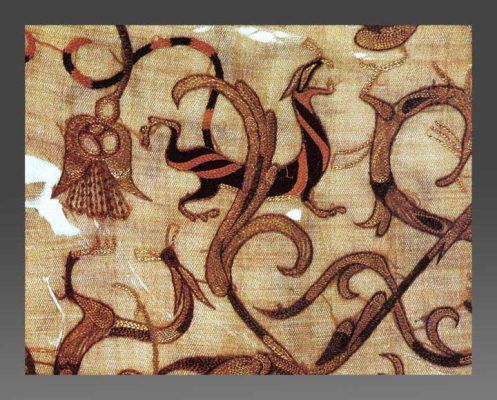
Han Dynasty Hand Embroidery (221B.C.-220A.D.)
Hand embroidery of the Tang Dynasty (618-906)
Since the Tang Dynasty, embroidery has been considered an art form, with many embroidered paintings and costumes showing the quality and top-notch embroidery techniques. Currently, many classical Chinese embroidery works are being preserved in museums in the US, UK, Japan, etc. Embroidery during the Tang Dynasty was widely used, and embroidery techniques also had many new developments. Artisans could use embroidery to sew clothes, to create jewelry, and the workmanship was very sophisticated and luxurious. In addition, embroidery also appeared a lot in poetry and literature of this period, for example, in the poem "Tan Trung Ngam" by Bai Juyi, there is a verse "Hong Lau Phu Gia Nu, Kim Lu" "thuong nhu", ( thuong ) is embroidery , translation:
"A rich young lady in a red tower, gold embroidered on silk clothes."
The Rich Girl of Red Mansion, Today's Flood The World Is Soft - Bai Juyi
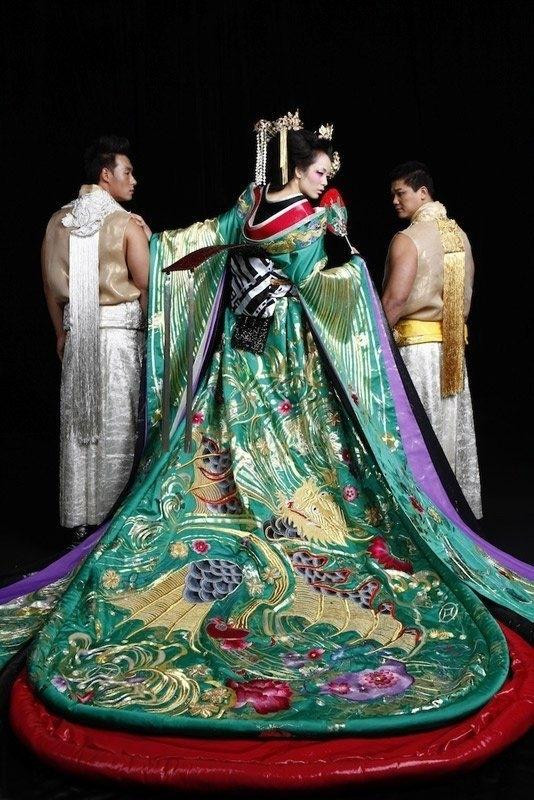
During the Tang and Song dynasties, embroidery developed in a refined direction, this trend was mainly influenced by the social environment. In feudal society, men plowed, women wove, and girls had to learn embroidery techniques. Therefore, for noble ladies, embroidery became the only activity for them to entertain, cultivate their minds, and cultivate their spirituality. In short, the birth of "kuê tú" was not accidental.
Due to the increasing number of people participating in embroidery, the differences in their cultural level and material conditions, and the participation of writers and poets, embroidery made great progress during that time. The enthusiastic contribution of intellectuals made calligraphy, painting and embroidery more closely linked together, forming a new direction - painters and embroiderers.
The Tang Dynasty was the most prosperous period of Buddhism in Chinese history. Therefore, embroidery, in addition to making clothes and jewelry, was also widely used to embroider pictures of Buddha statues. During the reign of Wu Zetian, she ordered the embroidery of more than 400 Buddha statues, which were then sent to temples and used as gifts to other countries.
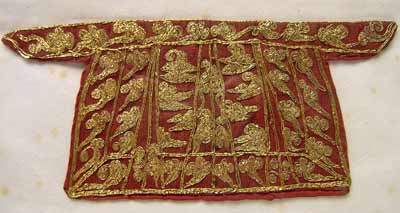
Gold thread manufacturing techniques during the Tang Dynasty (618-906)
The technique of making gold thread during the Tang Dynasty was considered particularly complex. First, rare gold blocks were handcrafted and ground into thin gold pieces. To prevent the gold from becoming brittle, artisans had to use a small amount of silver as an ingredient. Then, the gold pieces were ground into small, thin gold threads, with a diameter of only 0.06 mm. This type of technology was extremely sophisticated during the Tang Dynasty, and our modern technology is truly incomparable.
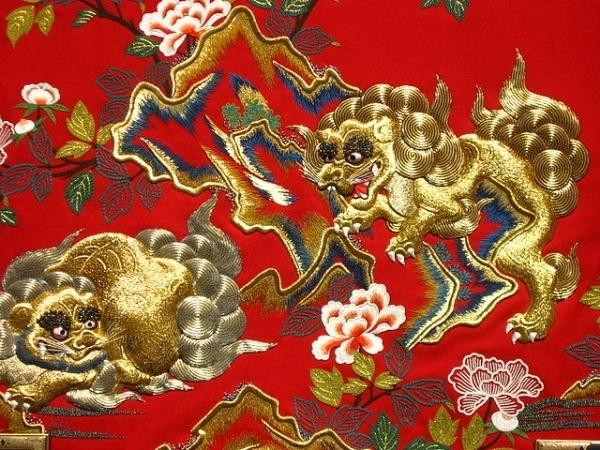

Song Dynasty (960-1279) Hand Embroidery
Since the Song Dynasty, embroidery has become a top art form with beautiful works showing high skills and techniques. During this period, works combining painting and embroidery were very popular. Paintings with sophisticated and meticulous drawing style were very popular, and the techniques also reached the peak in the history of traditional Chinese art. During the Song Dynasty, many embroidery institutes were established, inviting many famous skilled artisans. The special feature of embroidery during the Song Dynasty was the combination of silk painting and embroidery. First, the artisans would paint, usually on silk, then use embroidery needles to embroider each delicate thread, completing the painting. Therefore, during the Song Dynasty, the talent and skills of embroidery reached the highest level.
Silk painting is considered the quintessence of traditional Chinese silk art. Not only because of the precious value of a piece of silk “An inch of silk, an inch of gold”, but also because of the high craftsmanship as well as the complexity without losing the sophistication and meticulousness of this art form.
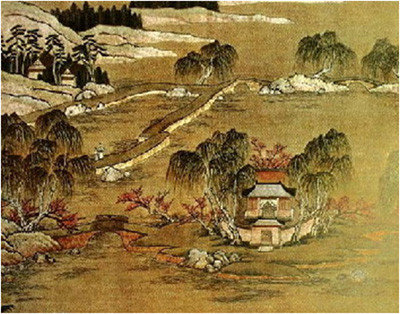
"Plum Thuoc" is considered a representative work of royal embroidery art during the Song Dynasty (960-1279).
Hand embroidery of the Yuan Dynasty (1280-1368)
The spiritual touch of embroidery was reinforced by the Yuan Dynasty emperors, who were Buddhists. Embroidery was not only widely used in the decoration of clothing, but also played an important role in the creation of Buddhist statues, scriptures, and prayer flags of the Luoyang religion.
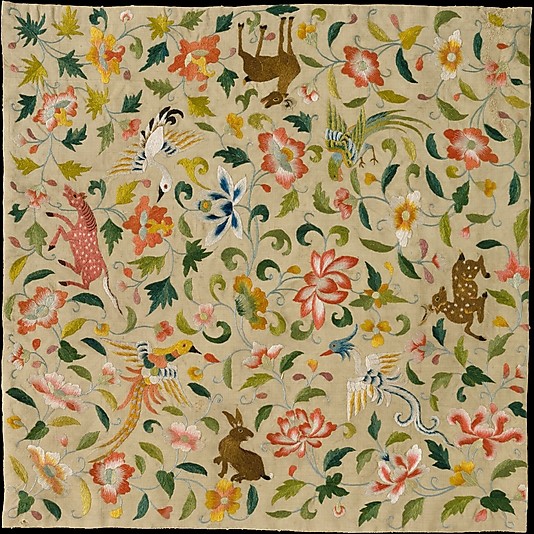
Hand embroidery of the Yuan Dynasty (1280-1368)
Ming Dynasty (1368-1644) Hand Embroidery
During the Ming and Qing Dynasties, establishments specializing in the production of hand-embroidered goods appeared everywhere. Especially during the Ming Dynasty, the folk handicraft industry developed, pushing the technology and productivity of embroidery to its peak. Also during this period, schools of art emerged that had a profound influence on later generations, for example, Gu Xiu of Shanghai, Jing Xiu of Beijing, Bian Xiu of Kaifeng (Henan), Lu Xiu of Shandong, etc. Not only achieving exquisite lines, hand embroidery during this period also impressed with the ability to combine harmonious and vivid colors, proving that thread dyeing technology had also made many great strides.
During the Ming Dynasty, there was a very famous painter named Dong Qichang, who was also a very famous expert. He highly valued the embroidery art of the Song Dynasty. According to him, the technique of using needle embroidery to create a picture by the Song Dynasty artisans was even superior to that of famous painters.
The embroiderers of the Ming Dynasty basically inherited the artistic style of the Song Dynasty, and also created some other embroidery techniques themselves. When the foundation of capitalism began to germinate in the Ming Dynasty, handicrafts and various industries flourished. Embroidery was widely used by all classes, from the imperial court, the nobility to the common working people, and was also applied to more industries, so from the Ming Dynasty to the Qing Dynasty, which was also the most popular period of embroidery in the history of traditional Chinese culture, embroidery art was brought to a high level in popular culture. The quality of embroidery art and materials for daily use were improved and expanded to hair embroidery, paper embroidery, needle embroidery, thread embroidery, metal embroidery and so on. The skills became more proficient. During the Ming Dynasty, professional families and individuals began to appear.
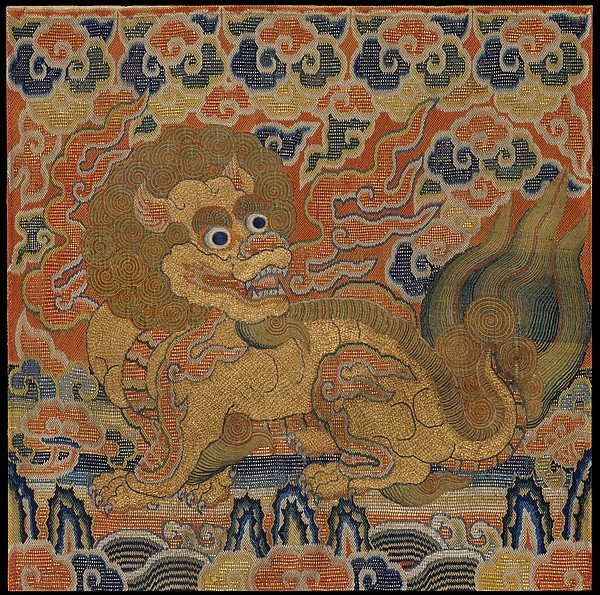
Ming Dynasty (1368-1644) Hand Embroidery
Qing Dynasty (1644-1921) Hand Embroidery
During the Qing Dynasty, the country was peaceful and the economy was prosperous. The art of embroidery developed and improved in various types of embroidery: vivid, lifelike images, unique sophistication, wonderful and elegant, solemn and quiet, and artistic effects, even more on the decorations for all kinds of daily use.
Qing Dynasty embroidery inherited the characteristics of Ming Dynasty embroidery and absorbed new elements from Japanese embroidery and even Western art.
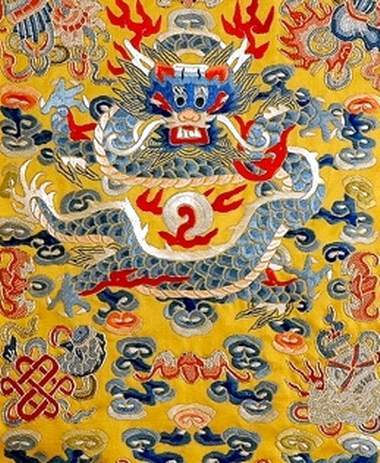
Qing Dynasty (1644-1921) Hand Embroidery
Typical types of Chinese hand embroidery
1. Co embroidery - embroidery method of the Co family
In Songjiang, now Shanghai, a family called Luxiangyuan, had a daughter-in-law who was extremely skillful, she created many types of embroidery styles. Initially, the embroidery was all done using silk thread, but she created a new technique, she could use hair as the material for embroidery, even chicken feathers and bird feathers were also considered as the main material for embroidery. There was also another highly difficult technique like using a thin piece of gold wrapped around the silk thread and then used for embroidery.
She created a very famous embroidery method that had a great influence on the lives and artisans of the Ming Dynasty, called "Gu Embroidery".
Gu's paintings mainly take landscapes, flowers and birds, etc. from famous works of the Song and Yuan dynasties as the main characters and then combine them with painting. The characters' clothes are drawn with a brush and then embroidered with a needle; the faces are embroidered first and then painted; and natural scenes such as clouds are drawn directly with a brush without embroidery. The special artistic feature of Gu's paintings lies in using an embroidery needle instead of a brush, taking the imitation of famous works of the previous era as the main, deliberately pursuing the elegant, graceful style that is full of the artist's heart of traditional Chinese painting art. The characteristic of Gu's paintings is that they are usually light green, the embroidered fabric is also chosen to be slightly yellowish, the color design is not as vivid as other embroideries.
The descendants of Mrs. Co only liked to enjoy life and pleasure, which later led to the family's decline. Mrs. Co had to sell her embroidery as merchandise. Later, she also took in embroideries to pass on her craft.

Embroidery is listed as an intangible cultural heritage with more than 400 years of history.
2. Shu embroidery - embroidery from Shu land, Sichuan province

The embroidery school is recognized as a national intangible cultural heritage, a national geographical indication protected product and a special product of Chengdu, Sichuan, China.
Chengdu's Shuxiu: Sichuan is a famous brocade weaving region (Shu brocade), so embroidery also developed. Ancient Shuxiu rarely embroidered pictures, but often embroidered on everyday objects.
Shu embroidery is the oldest type of embroidery in China, it has its own charm with bright, delicate colors, sophisticated and rich needlework, ranking first among the famous types of embroidery today. Shu embroidery uses soft satin and colored silk as the main materials. In particular, it has more than 122 types of embroidery stitches such as set stitches, rolling stitches, cutting stitches, covering stitches, etc. The themes of embroidery are often flowers, birds, fish, animals, landscapes, etc. In addition to embroidery on normal embroidery curtains, it is also embroidered on pillowcases, blankets, cushions and other decorative objects.
3. Suzhou embroidery - Suzhou embroidery

Suzhou embroidery is one of the first batch of national intangible cultural heritages selected for the national traditional craft restoration list and is among the top 4 most famous embroidery crafts in China.
Suzhou embroidery: the embroidery is very diverse, from landscapes, flowers, birds, animals, the needlework is very flexible and delicate, especially paying attention to meticulousness, it is said that the embroiderer can strip a silk thread into 1/16 to embroider. Su embroidery has a unique style, beautiful and skillful patterns, meticulous embroidery, vivid threads, elegant colors with strong local identity.
The most famous Suzhou embroidery is in Zhenhu Town in the high-tech zone of the Suzhou Embroidery Research Institute. Zhenhu is the main birthplace of Suzhou embroidery and accounts for 80% of the number of Suzhou embroidery products.
4. Embroidery - Hangzhou embroidery
Hangzhou embroidery, also known as Sand embroidery, originated in the Han Dynasty, the Southern Song Dynasty was a prosperous period. Embroidery was mainly done by male workers. Therefore, in this industry, only male workers were taught the techniques.
This type of embroidery remained popular during the Republic of China and became a major feature of Hangzhou embroidery. Hangzhou embroidery designs were mostly based on traditional patterns such as dragons, phoenixes, unicorns, bats, peacocks, peonies, peach blossoms, eight trigrams, West Lake scenery, etc. and traditional drawings.

5. Wenzhou embroidery - Wenzhou embroidery, in Zhejiang province
Wenzhou, Zhejiang Province, the local traditional art, also known as Hua Lian, also known as Wen embroidery, was started in the Tang Dynasty and flourished in the Ming and Qing Dynasties. Wen embroidery can be as famous as the four major embroideries in China, one of the famous export embroideries in China, not only treasured by the country but also used as a national gift.
The special method is as follows: the green skin of the bamboo is scraped off, divided into pieces, cooked to extract the silk, woven into bamboo cloth, then dyed and thread are used to create embroidery products on the surface. The embroidery usually has the main content of animals, landscapes, and is especially good at embroidering characters.
As a unique Chinese embroidery craft, Wen embroidery gradually developed and began to be used to decorate daily necessities. Its initial embroidery products included divine robes, opera costumes, folding screens, etc., and later expanded to embroidering landscapes, animals, calligraphy, etc., which have very high decorative value and effect.
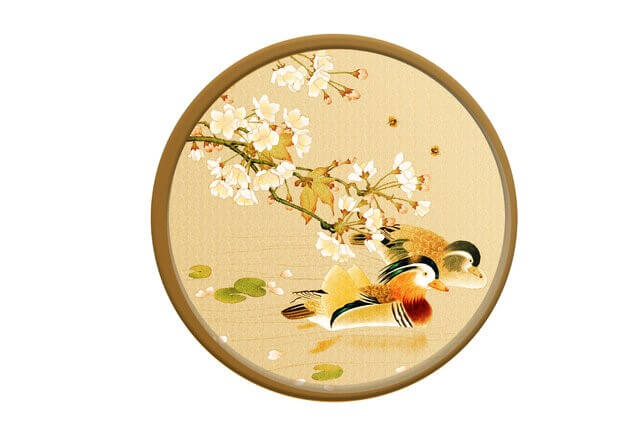
Umbrella embroidery belongs to the first batch of intangible cultural heritage in Zhejiang Province, a national intangible cultural heritage and a key protected art form in Zhejiang Province.
6. Embroidery - Hunan embroidery
Hunan Xiangxiu: Xiangxiu often embroiders animals, ferocious beasts such as tigers, dragons, lions, extremely delicate and vivid.
Hand-made silk embroidery is mainly concentrated in Changsha City, Hunan Province. It is one of the famous "four great embroideries" in China. Xiang embroidery has a long history, originating in Changsha during the Warring States Period and Chinese character embroidery during the Western Han Dynasty. The needle method of Xiang embroidery is mainly mixed needle (sam: mixed), which was developed by absorbing the advantages of Suzhou embroidery and Guangdong embroidery, and it has a history of more than 2,000 years. Hunan needle embroidery is characterized by ginseng needle, which can express the three-dimensional shape and blur effect of objects.
Hunan embroidery is characterized by rich layers of color that create beautiful, painterly embroidery. The vivid and lifelike Hunan embroidery gradually evolved into a completely different double-sided embroidery with different colors, shapes, and sides.

Hunan embroidery has consecutively participated in international exhibitions held in Japan, Panama, the United States and other places, and this type of embroidery has also won many awards and has a high reputation in the international market.
7. Vietnamese embroidery - Guangdong embroidery
Viet Tu of Guangdong: Viet Tu is divided into two major branches: Trieu Tu of Trieu Chau specializes in gold embroidery and embossed embroidery (padded cotton under the surface of the thread to give the embroidery a certain volume). Viet Tu specializes in making paintings, curtains... for worship in temples. The second branch of Viet Tu is Quang Tu of Guangzhou, the characteristic of classical Quang Tu is that there is a very small gap between the details of the embroidery pattern, called luu thuy lo (leaving a water path).
This type of embroidery originated in the Tang Dynasty with many embroidery themes, including traditional themes such as dragons, phoenixes, peonies, birds and phoenixes, delicious fruits from southern countries such as lychees, peacocks, parrots, etc. There are 3 types of needle methods: basic needles, auxiliary needles and image needles and about 45 types of needles, including straight needles, continuous needles, biting needles, placing needles, nailing needles, necking needles, net embroidery needles and beating needles, etc.
Cantonese embroidery pays attention to the combination of shape and material quality. There are four types of embroidery: silk velvet embroidery, gold and silver thread embroidery, thread embroidery and bead embroidery. Silk velvet embroidery uses silk as the embroidery material and has a strong conveying power. It is the Cantonese embroidery with the longest history and the most complete inheritance of skills. There are more than 60 types, including cushion embroidery, top embroidery, woven embroidery and brocade. Bead embroidery is a new type of Cantonese embroidery that has only been developed and applied by Guangdong embroidery artisans in recent decades.

National intangible cultural heritage, one of the four largest embroidery crafts in China is the common name of Guangzhou embroidery (Guangzhou embroidery) and Chaozhou embroidery (Chaozhou embroidery).
8. Embroidery - embroidery products of Khai Phong, Ha Nam
Bian embroidery has been famous throughout the country since the Song Dynasty, and is known as a “National Treasure”. This is a school of embroidery that is not only good at depicting flowers, leaves, birds, insects, fish, birds and animals, but also good at depicting landscapes and depicting characters meticulously and vividly.
The embroidery has both the elegant and lively style of Suzhou embroidery and the bright and unrestrained style of Hunan embroidery, thus forming the characteristics of the embroidery with sophisticated embroidery, simple and elegant colors, clear embroidery layers, and vivid images.
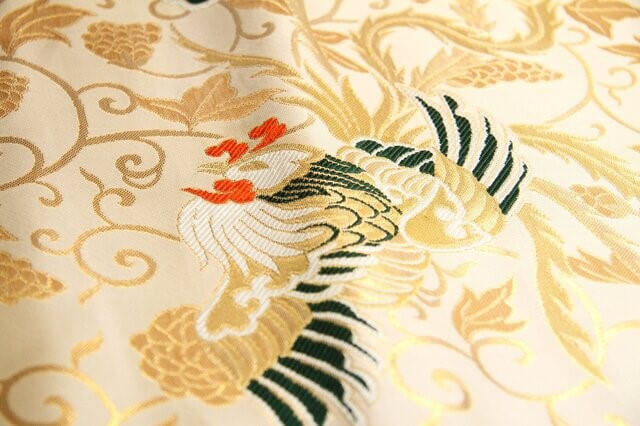
Embroidery is recognized as a national intangible cultural heritage and also the first intangible cultural heritage of Ha Nam province.
10. Tan embroidery - Son Tay embroidery
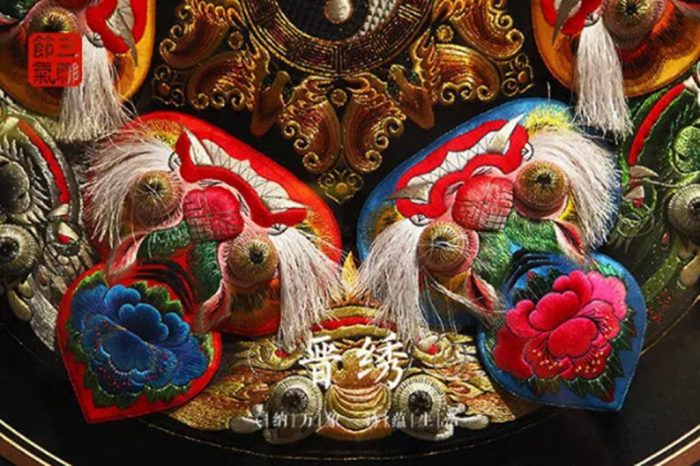
10. Beijing Embroidery - embroidery of Beijing
Kinh embroidery is also known as "royal embroidery" or "palace embroidery". It flourished during the Ming and Qing dynasties. It was mainly used to decorate the clothes and accessories in the royal court. The material of Kinh embroidery is very delicate and luxurious, sophisticated in technology, elegant in style. Usually silk is used as the embroidery fabric; the embroidery thread is sometimes silver or gold thread. Another special point is that this treasure is all embroidered by male craftsmen. That is the huge difference between the embroidery art in the royal court and the folk.

References
Truong Nam - Shanghai International Studies University
https://baothuathienhue.vn
https://tttt.ninhbinh.gov.vn/du-lich
https://baophutho.vn
https://riba.vn
http://xqvietnam.com
Wikipedia
0 comments