

In the photos of the 60s and 70s, the image of the long, flowing ao dai weaving through the streets of Saigon brings a gentle, nostalgic feeling. In those years, the ao dai was not only a traditional costume but also a cultural and fashion symbol, present in all daily activities of women in Southern Vietnam. Despite the introduction of Western dresses, the ao dai was still a familiar choice, an irreplaceable characteristic of women here.
Images of Ao Dai on Saigon streets before 1975
In the 50s - 70s, the ao dai was considered the standard contemporary costume and was worn by ladies regularly in daily activities. Southern women were always associated with the image of graceful and discreet ao dai. Different from the traditional loose ao dai in the capital, the Raglan style ao dai (a creation of Dung Tailor in Dakao) was preferred by Southern women. This design is stylized with a discreet high neck, long sleeves connected at a 45-degree angle from the neck and the body is sewn at the waist, hugging the body. The design is simple, not fussy, but extremely sophisticated, imbued with the cultural identity of the nation. The ao dai of the Far East pearl era has a gentle, graceful beauty, highlighting the delicate lines of women. This is also the design that contributes to shaping the style of Vietnamese ao dai today.
The flowing, simple ao dai has shaped the image of Vietnamese women throughout history. Through many periods, the ao dai’s peak was in the 1960s and 1970s when waist-cinching lines “dominated” the streets of Saigon. The ao dai is a traditional outfit but still has an irresistible sexiness. It is discreet, elegant but also perfectly accentuates the body’s curves.
The image of Miss Saigon with her flowing ao dai, flat sandals, and small handbag has become a symbol of the elegant and graceful beauty of Vietnamese women. Elegant ladies with modernized ao dai, headbands, curled hair, and eyeliner walked on the streets of Saigon during the turbulent years. The ao dai of the old Saigon women inevitably made people flutter with their modern fashion style. In the heyday, the intersection of modernity and classicism, the ao dai held the most memories. Although influenced by many Western cultures, the ao dai still holds a special place in the national culture; as well as the typical fashion of Vietnamese women.


Memories of the Ao Dai on the streets of Saigon before 1975
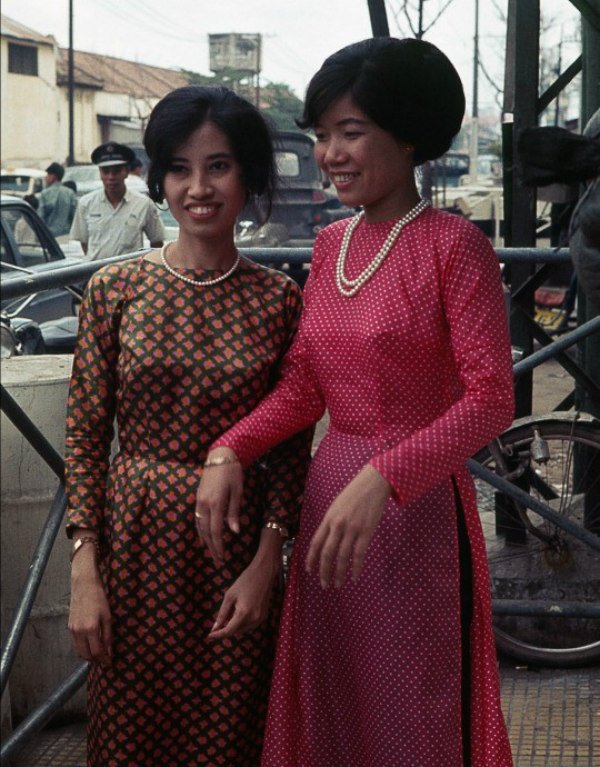
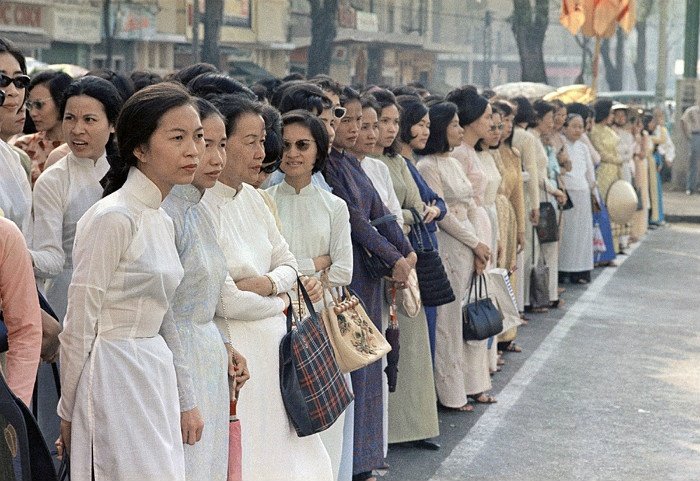
(Photo: Tumblr Amazingvietnam)
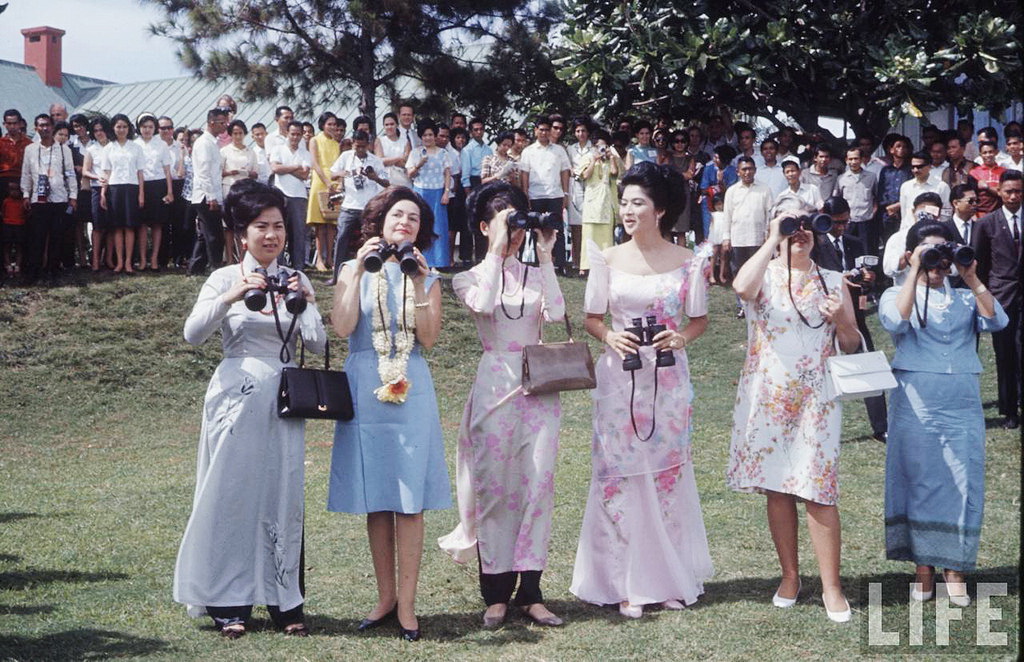
The Movie "Miss Saigon" and the Image of Ao Dai
In 2017, the film "Co Ba Sai Gon" recreated the image of the Saigon ao dai in the past through picturesque frames, evoking nostalgic memories of the ao dai in the daily life of Southern women. Through the character Thanh Mai, the film clearly depicted each stage of creating a complete ao dai: from measuring, cutting, assembling, to buttoning and ironing. Each step requires meticulousness and delicate skills. Only when all these stages blend smoothly, will the ao dai fully possess its beauty.
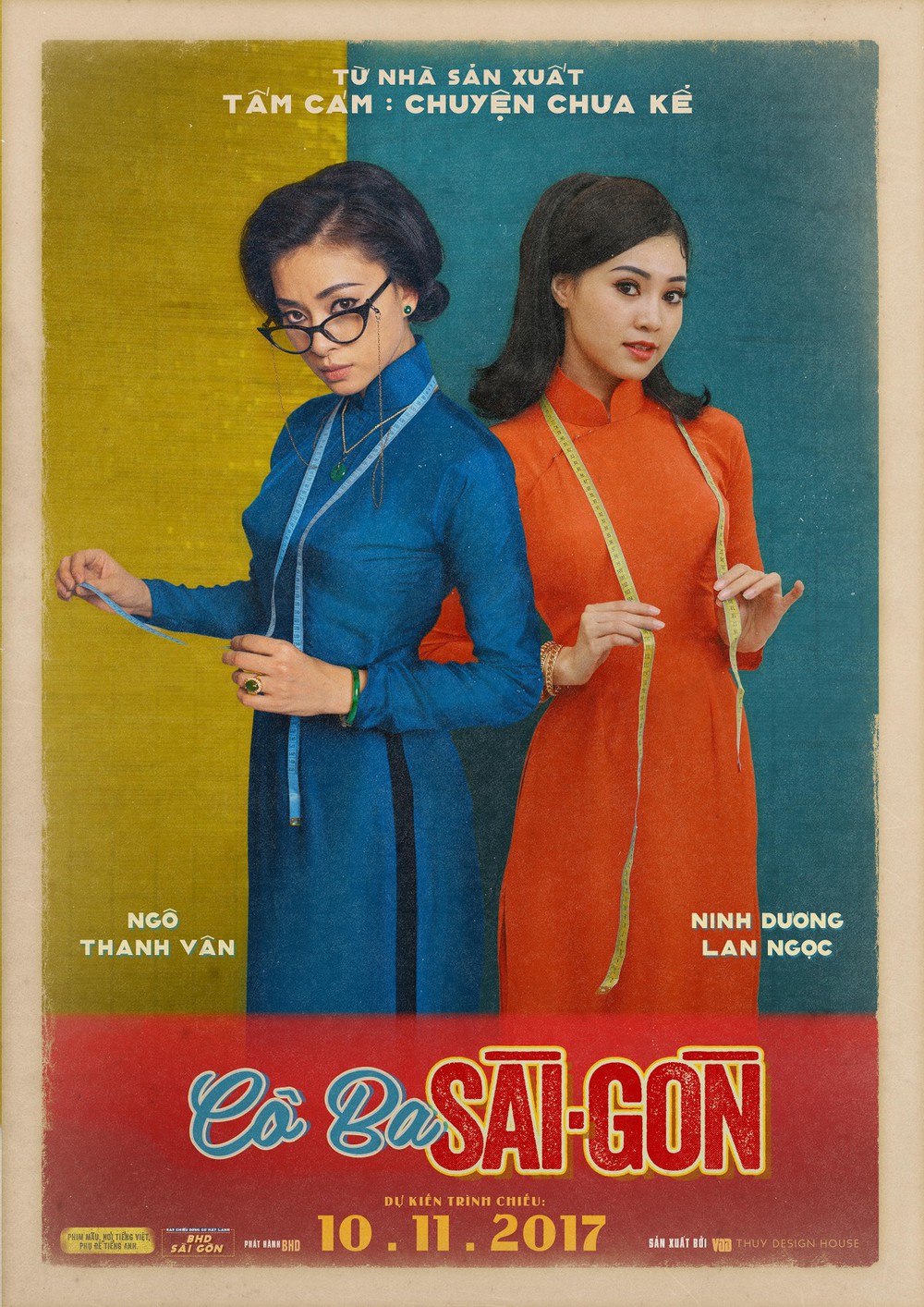
Movie poster Co Ba Sai Gon
"A complete Ao Dai must go through 5 stages: Measuring, cutting, assembling, threading, buttoning and ironing. Every step is important, all must be combined smoothly to make a beautiful Ao Dai. The person measuring must be careful to adjust the wearer's body shape, and the person cutting must be in harmony with the person measuring". At the same time, "Fabric with patterns must be aligned with the front and back panels to be symmetrical. If you want to make beautiful buttons, the threads must be evenly spread, not bunched, so that the Ao Dai can be sharp". Thanks to that, "anyone wearing an Ao Dai will be beautiful". - said the character Thanh Mai, the 9th successor of Thanh Nu tailoring house, cleverly conveying the "formula" of a beautiful Ao Dai.
In the journey to find the truth - goodness - beauty hidden in the ao dai, those who love the fluttering ao dai, like Nhu Y (the main character in Co Ba Sai Gon), certainly constantly experience conflicts between ao dai - Western clothing, Tradition - Modernity, Past - Future. And then we come to the moment when we realize that, like Western clothing, like any traditional costume in the world, ao dai also goes through all the stages: formation, development, innovation, change, and is also covered with traces of time and culture of each period. The classical features that we used to think were old, seemingly forgotten for a long time, are actually very beautiful and worthy of respect. They are the crystallization of the quintessence of national culture, symbols of the gentle, graceful beauty of Vietnamese women. The modern features, often receiving the first reaction of being far from tradition, are truly modern and applicable. They help the Ao Dai become youthful, dynamic, and suitable for modern fashion trends. From the above conflicts, we see that it is necessary to reconcile modernity and tradition in all aspects of life, including the Ao Dai. The Ao Dai needs to preserve its traditional beauty, but also needs to be innovated and modernized to suit modern fashion trends.
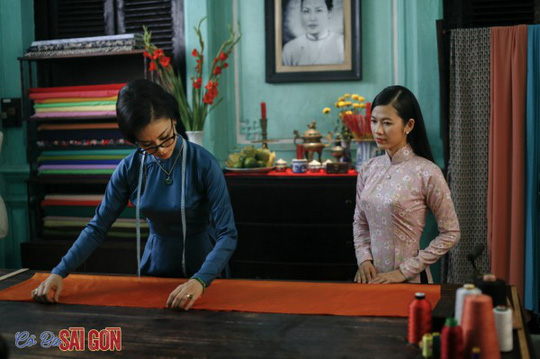

Movie poster Co Ba Sai Gon
Ao Dai: From Cultural Symbol to Modern Costume
Nowadays, although the ao dai is rarely used as daily clothing, it always plays an important role in the clothing life, is the pride and cultural symbol of Vietnamese women.
With the change in historical and cultural context from the 1950s to the early 2000s, women's fashion in the Pearl of the Far East was also more or less influenced and had strong "transformations". Saigon women at that time with modern and open thinking were always ready to update and welcome new fashion trends that were popular in Europe. They always went out on the street with confidence, freedom and pride in the most fashionable and "mode" clothes, with a stylish fashion mindset, not afraid to innovate. Western culture brought dresses, long coats, European pants, sometimes making us forget that our people had really beautiful costumes. Ao dai for a long time only existed as a ceremonial costume, a traditional costume, a ceremonial costume worn only a few times a year on holidays, important events or in cultural and artistic activities. There is also the mistake of referring to the ao dai as the "national costume", which sounds so formal and distant, no longer the familiar outfit as before.
The life of the special shirt carrying the "soul" of the homeland also goes through many ups and downs.
Ao Dai In The Breath Of Modern Fashion
However, there are still women who choose the ao dai as their daily outfit, keeping the ao dai breath of the times and the delicate beauty of the past. Along with the flow of modern fashion, Vietnamese designers have transformed the ao dai, creating modern versions of the ao dai with short and long skirts, rich materials and patterns. Brands like Hity have also breathed new life into the ao dai, highlighting the lively, trendy style of the ao dai, but still maintaining the traditional charm.
Ao dai is not only a costume, but also the embodiment of a culture. It is not the official “national costume”, but ao dai has long been a symbol of Vietnamese beauty and charm, a material for fashion-loving ladies to create their own style. And for those who have seen the ao dai fluttering in the streets of the ancient Pearl of the Far East, will always hold a special affection for the ao dai – the elegant, soft, and gentle beauty of Vietnamese women.
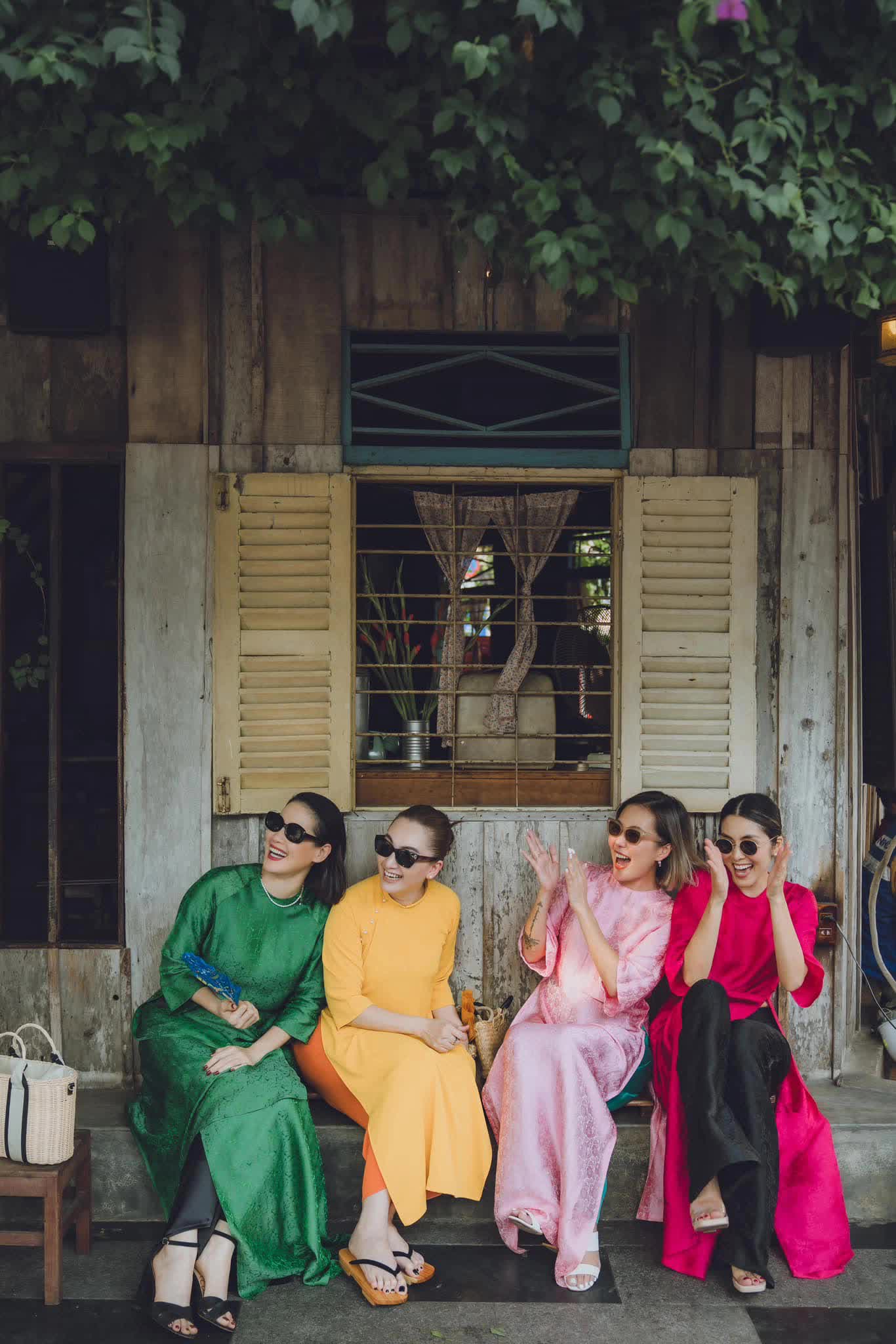
However, there are also women like Ms. Nhu Y of Co Ba Sai Gon, who love and choose the ao dai as their daily outfit. They want to preserve and promote the aesthetic and fashion values of the ao dai, imbued with national identity, in a fond nostalgia for the Pearl of the Far East of the 60s with a fresh, extremely sophisticated and stylish spirit. Along with the flow of modern fashion, the ao dai has been transformed or breathed new life into by Vietnamese designers, long-standing tailors... The ao dai flaps, lengths, materials and patterns on the ao dai today have a more fashionable appearance, in harmony with modern life.


Vietnamese silk ao dai by sustainable fashion brand Hity
We will all agree that the beauty of "the fluttering dress" from the most primitive but most attractive aspect is Fashion. Ao dai is not a national costume, but ao dai is the embodiment of Vietnamese fashion culture, a flowing fabric to beautify fashion-loving ladies.
Sources: Elle Magazine. Bazaar Magazine. Dep Magazine
0 comments